
Eclipse: A Celestial Name for the Black-and-White Dog Who Stops Traffic
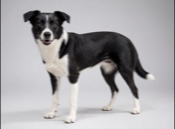
Some dogs are simply the wrong colour to be ordinary. A black coat split by a white blaze. A tuxedo chest worn like formalwear to a job at the dog park. A Border Collie whose face is half night, half snow. A merle or dappled hound that looks as if light and shadow had a quiet argument across its back and called it a draw. For a dog like that — two-toned, high-contrast, unforgettable — you want a name that carries the same drama. You want Eclipse.
An eclipse is the single most theatrical event the night and day skies ever stage: the exact moment the sun and the moon meet, when darkness slides over light or light is swallowed by shadow. It is rare, it is striking, and it is impossible to look away from — which is to say, it is your dog. This guide covers what an eclipse really is, where the word came from and the omens it once carried, and then hands you four carefully built lists of names — every one linked to a verified profile here on iDogNames, meaning and origin included.
What an Eclipse Actually Is
An eclipse happens when one heavenly body passes into the shadow of another, and there are two kinds worth knowing. In a solar eclipse, the Moon slides directly between the Earth and the Sun, throwing its shadow onto us and blotting out the daytime sun. During a total solar eclipse the sky darkens at noon, the temperature drops, and for a couple of minutes the Sun becomes a black disc ringed by the ghostly white halo of its corona. It is, for the narrow strip of Earth lucky enough to stand in the Moon’s shadow, a few minutes of borrowed night.
In a lunar eclipse, the alignment flips: the Earth slips between the Sun and the full Moon, and our own planet’s shadow falls across the lunar surface. Here is the lovely part — the Moon does not simply go dark. The Earth’s atmosphere bends and filters sunlight around the planet’s edge, scattering away the blue and letting the reds through, so the eclipsed Moon glows a deep coppery, rusty orange. That is the famous blood moon: the same physics that paints every sunrise and sunset, projected onto the face of the Moon all at once.
There is also a reason eclipses feel rare and special, and it is worth knowing if you want the name to mean something. The Moon’s orbit is tilted by about five degrees against the plane of Earth’s orbit, so most months the new Moon and full Moon pass a little above or below the perfect line and nothing happens. Only when the alignment falls just right — a few times a year, and a total solar eclipse over any one spot far more rarely than that — do the three bodies snap into a row and the shadow lands. An eclipse is, in other words, a near-miss that finally connects: exactly the sort of thing you name a once-in-a-lifetime dog for.
Strip away the mechanics and what remains is one image: the meeting of darkness and light, sun and moon, in a single frame. A black-and-white dog wears that same idea in its coat every day of its life. That is the whole reason the name fits.
Etymology and the Old Omens
The word comes through Latin from the Greek ekleipsis, meaning “an abandonment, a failing, a forsaking.” The root verb ekleipein meant to leave out, to fail, to cease to appear — because to anyone watching the sky without a telescope, that is exactly what the Sun or Moon seemed to do during an eclipse. It failed. It forsook the world. It abandoned its post and vanished, and no one on the ground had been promised it would come back.
Small wonder that ancient peoples read eclipses as omens rather than geometry. Across many cultures the disappearing Sun was explained as a creature devouring it: Norse legend set sky-wolves chasing the Sun and Moon to swallow them; in parts of East Asian tradition a celestial dragon was blamed, and people made noise to frighten it into spitting the Sun back out; other cultures imagined a great serpent or a hungry beast at the throat of the day. The science is now well understood, but the emotional charge survives in the word itself — a forsaking. For a dramatic, dignified dog, that is a name with real weight behind it, not just a pretty sound.
One practical note while we are here: Eclipse is a strong two-syllable name that lands clearly across a field, carries no awkward command-word clash, and ages well — it suits a wobbly tuxedo puppy and a grey-muzzled elder statesman equally. It does not shorten to anything obvious, which many owners actually like; if you want a pet form, “Clipsy” or simply “Lips” will do, but the full name is the point.
The Black-and-White and Bi-Colour Coat Fit
If Eclipse itself feels like a lot for everyday calling, these names chase the same sun-meets-shadow idea on a more playful register. They are tailor-made for tuxedo-patterned dogs, piebald hounds, and any coat where black and white share the bill.
- Eclipse — the headline act itself; the meeting of light and dark, ideal for a high-contrast or merle coat that seems to hold both at once.
- Oreo — the cookie of two dark wafers around a white centre; the go-to for a black dog with a white chest or saddle, and impossible to say without smiling.
- Domino — the small black-and-white block of the game; a crisp, confident pick for a clearly spotted or two-toned dog.
- Panda — the Chinese bear with its unmistakable black-and-white markings; perfect for a round, soft, boldly patched puppy.
- Patches — plainly descriptive and warm; made for a coat scattered with islands of colour on white.
- Magpie — the glossy black-and-white corvid famous for its sharp wit and love of bright things; a clever name for a clever bi-colour dog.
- Pepper — for the flecked, salt-and-pepper, or peppered coat; a friendly classic that suits a busy, speckled pattern.
- Bandit — an outlaw or robber; the obvious choice for a white dog wearing a dark “mask” across the eyes.
- Checkers — the black-and-white board game brought to life; a vintage, characterful pick for a strongly patterned dog.
- Cookie — a small flat crisp cake; sweet and informal, lovely for a chocolate-and-cream coloured pup.
- Marble — for a swirled, veined, marbled coat where colours run together; understated and a touch elegant.
- Freckles — dotted with small spots; charming for a roan or ticked dog whose white is dusted with colour.
Celestial and Space Names
Eclipse lives in good cosmic company. If you love the astronomy angle and want a name that points straight up at the night sky, these are real, meaning-verified picks — from moons to stars to the planets themselves.
- Luna — Latin for “moon,” and a star in its own right among dog names; the natural partner for an Eclipse, and beautiful for a soft grey or silvered coat.
- Nova — Latin for “new,” and the astronomer’s word for a star that suddenly flares bright; punchy, modern, and full of energy.
- Comet — a celestial body trailing a tail of light; made for a fast, streaking dog who arrives like an event.
- Star — Latin in root and plain in meaning; simple, bright, and affectionate, ideal for the dog who is exactly that to you.
- Stella — Latin for “star,” a touch more formal than Star and lovely to call; a graceful, timeless choice.
- Cosmo — from the Greek for “order” and the root of cosmos, the whole ordered universe; jaunty and a little dapper.
- Orion — the great hunter of Greek myth, set among the brightest, most recognisable stars in the sky; strong and noble for a big, confident dog.
- Aurora — Latin for “dawn,” and the name of the shimmering polar auroras; radiant and elegant for a luminous female pup.
- Celeste — French for “heavenly”; soft, pretty, and pointing straight at the sky.
- Lyra — Greek for “lyre,” the little northern constellation home to the brilliant star Vega; melodic and distinctive.
- Astra — Greek for “star,” as in ad astra, “to the stars”; sleek and a little futuristic.
- Saturn — the sixth planet from the Sun and the ringed jewel of the solar system; a grand, weighty name for a stately dog.
Sun-and-Moon Pairing Names for Two Dogs
Here is where Eclipse really earns its keep: it is built on a duality, sun and moon, so it makes a brilliant two-dog theme. Name one dog for the Sun and one for the Moon — or keep Eclipse and give a white sibling a solar name. These are the verified halves to mix and match.
- Sol — in our records a Hebrew name meaning “peace” (a short form of Solomon), and to most ears also the Latin word for the sun; the obvious bright counterpart to a moon-named dog.
- Soleil — French for “sun”; warm and graceful, a perfect daylight partner to Selene.
- Selene — the Greek goddess of the Moon; luminous and classical, the night to Soleil’s day.
- Apollo — Greek god of music, light, and prophecy, long associated with the Sun; commanding and golden.
- Diana — the Roman moon goddess and huntress; her name means “divine,” the perfect lunar match for Apollo.
- Artemis — Greek goddess of the hunt and the Moon, Apollo’s twin; fierce, fast, and proud.
- Phoebe — Greek for “bright,” a Titaness linked to the Moon; gentle and shining for a fair-coated dog.
- Sunny — “filled with sunlight”; cheerful and uncomplicated, the easy daytime half of a pair.
- Moon — plain and lovely; pair it directly with Sunny for the most legible sun-and-moon duo of all.
- Yang — Chinese for “the sun,” the bright, active half of the yin-yang; a tidy thematic counterpart for a darker sibling.
- Crescent — Latin for “growing,” the shape of the waxing Moon; delicate and a little poetic.
Dramatic Dark-and-Light and Striking Names
If what draws you to Eclipse is the sheer drama — the darkness, the contrast, the sense of an event — these names lean into it. Some are pure shadow, some pure light; together they capture the same collision the name itself is built on.
- Shadow — literally the thing an eclipse is made of; a faithful, evocative name for a dark dog who sticks close.
- Onyx — a gemstone banded in different colours, often deepest black; sleek and handsome for a glossy coat.
- Jet — the black gemstone that gives us “jet-black”; short, sharp, and dramatic.
- Storm — violent weather and gathering dark; powerful for an intense, energetic dog.
- Midnight — the deepest dark of the night, the hour of total shadow; rich and atmospheric for a coal-black coat.
- Ebony — the dense black hardwood; elegant and classic for a truly dark dog.
- Sable — an old heraldic word for black; understated and refined, with a nod to coat genetics breeders will recognise.
- Phoenix — the mythical bird reborn from its own ashes; light rising out of dark, a fitting note for the eclipse theme.
- Ember — a glowing coal, the small light that survives the dark; warm and characterful for a red-tinged or fiery dog.
- Inky — playful and obvious for a dog the colour of spilled ink; affectionate and easy to call.
- Snow — for the pure-white sibling at the other end of the contrast; clean, bright, and the natural foil to Shadow.
- Ivory — soft, warm white; refined and gentle, lovely for the light half of a dark-and-light pair.
Pairing and Sibling Ideas
The sun-and-moon duality baked into Eclipse is a gift if you have, or plan to have, two dogs. The cleanest version is a Sun dog and a Moon dog: pair Sol or Soleil with Luna or Selene, and you have two names that mean exactly what they look like together. For a mythological flavour, Apollo and Diana — or Artemis — give you a sun god and a moon goddess from the same pantheon, ideal for two dogs with big personalities.
If you only have the one striking dog, Eclipse can still anchor a future pair: keep Eclipse for your two-toned original and reserve a bright, single-note name — Moon, Sunny, or Snow — for a future white or pale sibling, so the whole household reads as one sky. And for the boldest contrast of all, set a dark name against a light one: Shadow and Snow, or Jet and Ivory, are two dogs who together make an eclipse every time they lie down side by side.
Is Eclipse Your Dog?
Eclipse is the name for the dog who was never going to blend in — the tuxedo, the piebald, the merle, the black coat broken by a single brave streak of white. It carries real astronomy (the sun-and-moon alignment that briefly turns day to night), a genuinely old and poignant etymology (the Greek ekleipsis, “a forsaking”), and centuries of myth in which the whole world held its breath to watch the light return. It reads dramatic, it ages with dignity, and it gives you a built-in theme for a second dog whenever you are ready.
Follow any of the highlighted names to its dedicated iDogNames profile, where the full meaning and origin are spelled out, so you can trace the story behind whichever one catches your eye. Whether you crown your striking companion Eclipse outright, reach for a celestial cousin like Nova or Orion, or build a little sun-and-moon constellation across two dogs, you are giving a one-of-a-kind dog a name as rare and unmistakable as the event it is named for.
Related Name Collections

Browse black dog names by dark materials, night and weather, bright contrast, or visible markings...

Black and tan dog names can follow either half of the coat or the contrast between them. Onyx, Eb...

The Black and Tan Coonhound is a large, powerful scent hound bred in the United States specifical...
Browse black and white dog names by the markings you can actually see: patches, socks, spots, mas...

The Black German Shepherd is a rare and stunning color variation of the standard German Shepherd...

The Black Labrador Retriever is the most common color variety of the world's most popular dog bre...

Naming a black male dog is a chance to highlight both his handsome dark coat and his bold persona...

The Black Mouth Cur is a versatile hunting and cattle dog that originated in the rural Southern a...

The Black Norwegian Elkhound -- Norsk Elghund Sort, literally the Norwegian black moose dog -- is...

The Black Russian Terrier, also known as the Tchiorny Terrier or simply BRT, is a powerful, confi...

If your dog fills your life with wonder and you love gazing at the night sky, celestial dog names...

The Irish Red and White Setter is a beautiful and athletic gundog that predates its more famous c...
Related Articles
Large White Dog Names: 60 Snowy, Grand, and Gentle-Contrast Ideas
2026-09-03Explore 60 large white dog names through pale materials, winter landscapes, cloud and sky imagery, monumental landmarks, dignified human calls, and soft comic contrast. Each entry explains its shade, scale, sound, or household fit, while the guide reads coat texture honestly, avoids breed and genetic guesses, plans adult nicknames, and tests the choice in daily life.
Large Black Dog Names: 60 Grand, Dark-Coat, and Gentle-Contrast Calls
2026-09-02Find 60 large black dog names through scale and landscape, dark materials, storm and sky, wildlife silhouettes, dignified human calls, and soft comic contrast. Every idea explains its visual or practical fit, while the guide builds a three-line portrait, checks coat color in usable light, rejects size and color stereotypes, plans for growth and nicknames, and tests the call honestly.
Small Black Dog Names: 60 Compact Calls, Dark-Coat Ideas, and Big Contrasts
2026-09-01Explore 60 small black dog names through tiny-scale calls, ink and stone, dark pantry colors, oversized contrasts, night textures, and familiar everyday choices. Every entry explains the size, coat, sound, or humor connection, while the guide checks color in ordinary light, avoids breed and temperament guesses, screens public context, and keeps the winner useful as a puppy grows.
Black-and-Cream Dog Names: 60 Ideas for Soft Light and Dark Contrast
2026-08-31Explore 60 black-and-cream dog names through coffee, layered sweets, night light, graphic marks, wildlife, and ordinary calls. Each choice explains its visible connection and daily use, while the guide records the actual coat in daylight, separates appearance from genetics and breed, avoids temperament claims, declares practical short forms, and keeps the final call useful as a puppy coat changes.
Black-and-Brown Dog Names: 60 Ideas for Dark Layers and Warm Contrast
2026-08-29Compare 60 black-and-brown dog names through coffee, wood, minerals, wildlife, autumn warmth, and friendly human calls. Every entry explains its visible color connection and daily sound, while the guide records both coat fields in neutral light, separates appearance from genetics and breed, treats food words only as labels, tests multi-dog sound, and keeps the choice useful after grooming or puppy-coat change.
Cream-and-White Dog Names: 60 Soft Ideas from Ivory to Vanilla
2026-08-27Explore 60 cream-and-white dog names through pale materials, bakery tones, warm light, snow, flowers, trees, and gentle human calls. Each option explains its color, texture, pronunciation, or daily fit, while the guide builds a two-swatch daylight card, avoids genetic or health assumptions, separates names from food and plant safety, plans nicknames, and preserves the arrival story if puppy color shifts.