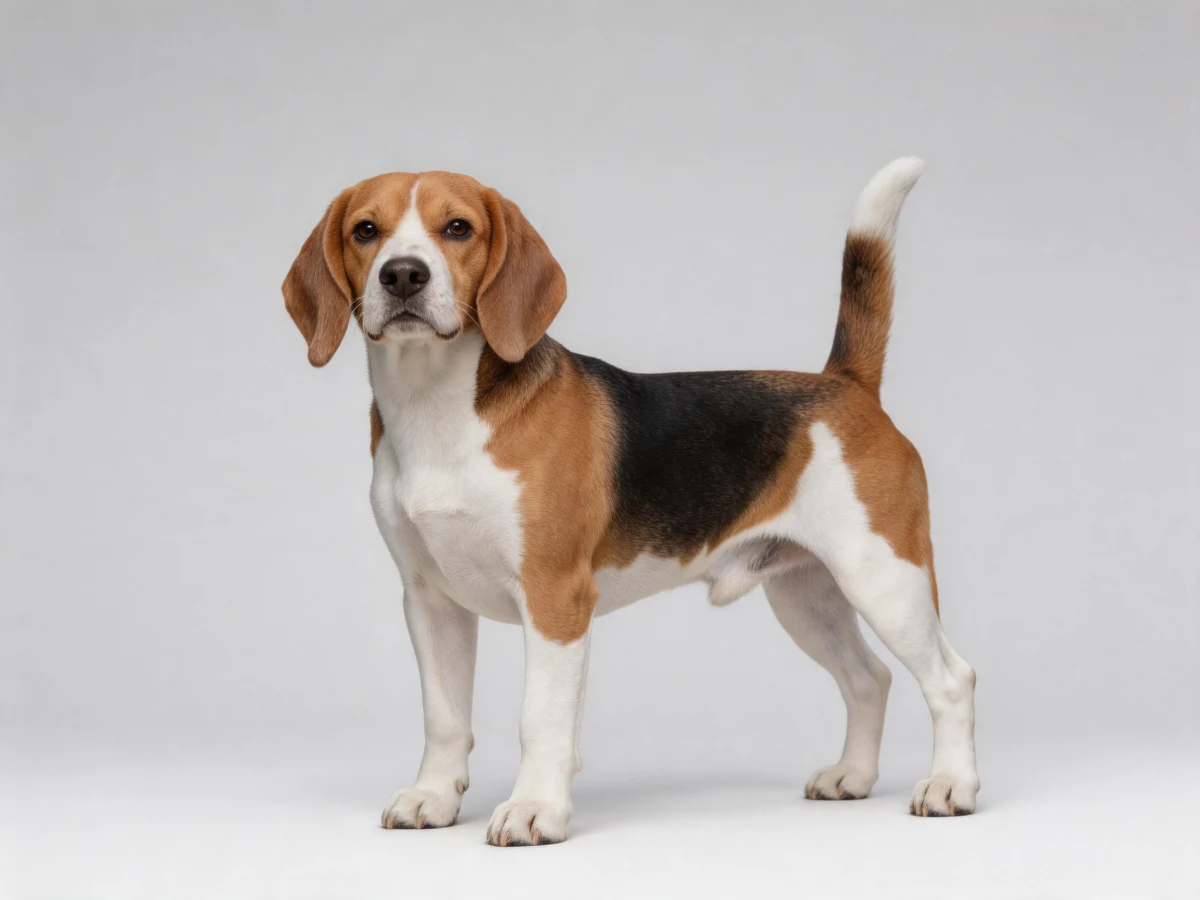
Buckhound
✨ Key Takeaways
- The Buckhound was a historical English pack hound associated with hunting fallow deer.
- It should be explained through pack culture and royal hunting history, not as a modern pet breed.
- The term can describe function and pack type as much as a tightly standardized breed.
- No living Buckhound population has modern health, price or care statistics.
- Internal links should connect it to foxhounds, harriers and broader scent-hound history.
- Names should draw on deer, royal packs, old hunting terms, English estates and source-aware extinction.
Quick Facts
Common Names & Variants
Modern aliases
Historical names
Modern variants & lines
⚖️ Pros & Cons
Advantages
Trade-offs
Physical Appearance
Recognized colors
Coat
Other
Ears: Drop. Tail: Hound tail.
🕰 History
A hound named for the quarry
The Buckhound takes its name from the buck, especially fallow deer in English hunting contexts. It was a pack hound defined by work and institution more than by the modern idea of a closed show breed.
Royal and aristocratic packs shaped hound breeding for centuries. A useful Buckhound page should therefore explain the social structure of pack hunting as well as the dogs themselves.
Between deer hounds and foxhounds
Buckhounds sit near staghounds and foxhounds in the old hound world. Packs were bred for voice, scent, stamina and the particular pace of their quarry. As hunting fashion changed, hound types could be repurposed, crossed or replaced.
This is why the Buckhound should not be described as if it had a single universal modern standard. It was a job-shaped pack hound.
A vanished pack tradition
The Buckhound disappeared as hunting practice, law, land use and pack management changed. The name remains useful because it helps readers understand how specialized English hounds once were.
A hound of institution and quarry
The Buckhound is valuable because it shows how a dog name could be tied to an organized hunting institution and a specific quarry. The Royal Buckhounds and similar packs were part of court, estate and countryside life, not simply a breed club.
Why the term can be slippery
Buckhound may describe a role, a pack or a strain depending on the source. The page should make that slipperiness explicit, because it prevents a reader from expecting the tidy standards of a modern Foxhound page.
Temperament & Personality
Pack temperament first
A Buckhound needed to live and work among other hounds, respond to huntsmen and follow scent in a group. Pack sociability and stamina mattered more than the household traits people ask about today.
Voice and scent drive
As with other scent hounds, voice, nose and persistence were likely central. Those traits can be virtues in the field and challenges in a modern home.
No family-pet claims
Because the breed is extinct, claims about being easy for beginners or good with children would be speculation.
Kennel sociability first
A pack hound had to eat, rest, move and work among other hounds. That social tolerance is more historically relevant than modern couch-dog adjectives.
Voice as a working feature
Hound voice helped humans follow the pack and understand the line. In a modern home, comparable vocality can be difficult, which is why living hounds need realistic owners.
🏡 Living With a Buckhound
No Buckhound households today
A true Buckhound is not available as a modern breed. Readers should treat the page as history, not a buying guide.
Living hound lessons
English Foxhounds, American Foxhounds, Harriers and Beagles show how pack-hound traits can persist: endurance, voice, nose, sociability and independence.
Context before romance
The page should not glamorize hunting. Its value is explaining a historical hound role and vocabulary.
Pack hounds are not single-dog fantasies
The Buckhound story comes from pack life. Readers should not imagine a solitary, obedient estate pet unless the source supports it.
Modern hound pathway
If the appeal is hound temperament, living foxhounds, harriers, beagles and coonhounds provide better modern information and adoption routes.
🎓 Training & Exercise
Kennel and pack training
Historical training was built around pack order, following the huntsman, responding to horn and voice, and staying with the line.
Modern hound parallel
For living hounds, long-line recall, scent outlets, secure fencing and patient handling are essential.
Scent is the job
Trying to erase scent drive is the wrong lesson. The old Buckhound story shows why hounds need nose work and management.
Huntsman communication
Horn, voice, habit and pack order were part of the training environment. The hound learned a system, not just individual commands.
Secure management lesson
Living scent hounds need secure fencing and recall management because scent can override ordinary obedience. The Buckhound page reinforces that old truth.
✂️ Grooming & Coat Care
Short hound coat
A short practical hound coat is the safest assumption. Grooming would have been field care: feet, ears, skin and parasite checks.
Pack cleanliness
Kennel management mattered more than decorative grooming.
Colours varied
Hound colours and markings belonged to pack tradition, not a surviving Buckhound show standard.
Kennel hygiene mattered
For pack hounds, grooming was embedded in kennel hygiene, parasite control, foot care and daily observation. That is more accurate than a decorative coat section.
Terrain marks the dog
Mud, bramble, wet grass and road miles were part of the working environment and can inform names and context.
🍖 Diet & Nutrition
Kennel feeding
Buckhounds would have been fed within a pack kennel economy, with rations shaped by work, season and estate practice.
No modern diet chart
There are no Buckhound puppies or breed-specific feeding trials.
Living hounds need current plans
Current hounds need diets matched to age, condition, activity and veterinary guidance.
Pack feeding scale
Feeding a pack is different from feeding a pet. Rations were managed for many hounds at once, shaped by estate resources and hunting schedules.
No modern pet conversion
The page should not convert pack history into a single-dog feeding plan.
🐶 Buying & Adopting a Buckhound
Do not shop for a Buckhound
The Buckhound is extinct as a living breed. A seller using the name should be treated skeptically.
Choose living hounds honestly
If the appeal is a pack hound, research English Foxhounds, Harriers, Beagles and related breeds for their present-day needs.
Function is not identity
A hound that can hunt deer is not automatically a Buckhound. Historical identity needs records.
Estate name versus breed survival
A hound from an old pack tradition is not automatically a Buckhound. The historical name needs records that ordinary modern dogs will not have.
Rescue route for hound lovers
Readers interested in living hounds can explore foxhound or beagle rescues where legal and appropriate, using current temperament and care guidance.
Use living pack-hound routes instead
A reader who wants the Buckhound temperament idea probably wants a sociable, vocal, scent-driven pack hound. That is a real modern lifestyle question, but it should be answered through living breeds and rescues, not through an extinct label.
Any claim of Buckhound puppies should be treated as unsupported unless it explains a documented living population, which ordinary modern sources do not show. A romantic estate name should never outrank health records and suitability.
📜 Breed Name Etymology — iDogNames original research
How the name works
Buckhound names should sound like old English hound country: deer, packs, horns, estates, fields, kennels and the vanished royal buckhound institution.
What the name should preserve
For a historical or extinct breed, a good name points to documented place, work, appearance, language or legacy. It should not imply that a modern puppy is literally the vanished population revived.
Buck, pack and royal context
The name is useful because it names quarry and function at the same time. A strong Buckhound-inspired name should carry deer-country, pack-hound or royal-pack context, not just "old English" atmosphere.
Name forms at a glance
| Name | Role | Origin | Literal meaning | First recorded |
|---|---|---|---|---|
| Buckhound | primary | English | hound used for hunting buck or fallow deer | — |
| English Buckhound | alias | English | English deer-hunting hound | — |
| Royal Buckhound | historical | English | buckhound associated with royal packs | — |
| Buck Hound | historical | English | spaced historical form | — |
| Pack Hound | historical | English | hound working in a pack | — |
🏛 Naming Traditions — iDogNames original research
Naming tradition
Buckhound names should sound like old English hound country: deer, packs, horns, estates, fields, kennels and the vanished royal buckhound institution.
Naming tradition with evidence attached
The most useful Buckhound names sound like fieldcraft and pack records: buck, fallow deer, royal kennels, hound voice and the administrative world around vanished packs. Each name should make the historical connection legible.
🐾 Themed Names for Your Buckhound — iDogNames original research
Deer and field names
- Buck - direct name root
- Fallow - quarry context without violence
- Hart - old deer word
- Antler - visual field cue
- Bramble - cover and countryside
- Bracken - English cover plant
- Meadow - open hunting country
- Ridge - long-distance hound terrain
Pack hound names
- Horn - huntsman signal
- Cry - hound voice term
- Couple - pair of hounds
- Kennel - pack-house setting
- Whip - whipper-in role, best for a quick dog
- Line - scent trail
- Cast - searching for scent
- Fullcry - pack-hound phrase
Royal and estate names
- Windsor - royal estate echo
- Keeper - estate role
- Crown - royal pack context
- Mews - old royal-stable sound
- Forest - royal forest history
- Ranger - land steward mood
- Manor - estate setting
- Ledger - pack records
Extinct-history names
- Echo - vanished hound voice
- Archive - source trail
- Relic - old but meaningful
- Trace - scent and history
- Memory - lost pack
- Chapter - history-book feel
- Lastline - final hound line
- Heritage - broad legacy
Royal pack names
- Royal Buck - directly links quarry and institution, best for a grand houndy dog
- Windsor Cry - estate name plus pack voice, more specific than Crown alone
- Kennel Roll - administrative record image for a historically minded name
- Mastership - formal pack-management term with a dignified sound
- Green Coat - old hunt clothing image, useful as context rather than costume
- Royal Mews - stable-and-court setting for a polished dog name
- Keeper Book - estate record mood and hound management in one phrase
- Crown Field - royal and countryside imagery without claiming survival
Fieldcraft names
- Fallowline - fallow deer and scent line together
- Slotmark - track sign name for a careful scent hound
- Hedgecast - hound searching in English field edges
- Bramble Cry - cover and voice, good for a loud outdoor dog
- Meadowline - open-country scent trail name
- Hornnote - huntsman signal made gentle and musical
- Couple Up - hound-pair handling phrase for bonded dogs
- Scentward - for a dog whose whole body points toward scent
Extinction-aware names
- Last Kennel - for the vanished population rather than a modern puppy claim
- Archive Horn - old pack sound preserved through records
- No Revival - blunt but useful for a historically honest household
- Estate Ghost - poetic name for a disappeared pack tradition
- Footnote Field - for a dog named after a small but vivid historical record
- Absorbed Line - acknowledges that old hound types often flowed into later packs
- Record Buck - evidence-first version of the direct quarry name
- Old Cry - simple, memorable and tied to hound voice
📋 Breed Standard at a Glance
No active standard
There is no living Buckhound standard. The term is historical and functional.
Safe outline
A large, short-coated English pack hound bred for fallow-deer hunting is the cautious description. Exact height and weight should not be invented.
Related but separate hounds
Foxhounds, harriers and staghounds belong nearby in internal links but are not the same page.
A function-defined outline
The standard summary should say large English scent hound, pack worker, deer-hunting context, drop ears, short coat and endurance. That is enough; precision beyond that is false confidence.
Why no measurements
Measurements varied by pack and period, and no living Buckhound standard can verify them.
🏆 Recognition
Other registries
❓ Frequently Asked Questions
Does the Buckhound still exist?
No. The Buckhound is treated here as an extinct historical English pack hound.
What did Buckhounds hunt?
They were associated with hunting buck or fallow deer in pack-hound settings.
Was the Buckhound a standardized breed?
Not in the modern kennel-club sense. It was a historical pack hound defined strongly by function.
Can I buy a Buckhound puppy?
No true Buckhound puppies are available. Living hounds should be researched separately.
What was the Buckhound temperament like?
Only work-based inference is safe: pack sociability, scent drive, stamina and voice mattered.
What names fit a Buckhound-inspired dog?
Deer, pack-hound, English estate and royal-hunting names fit best.
📚 Sources & Further Reading
Every load-bearing factual claim on this page is anchored to one of the sources below. iDogNames does not synthesize from secondary aggregators.
- wikipedia Buckhound — Wikipedia
- wikipedia Royal Buckhounds — Wikipedia
- other English Foxhound Dog Breed Information — American Kennel Club
- wikipedia List of extinct dog breeds — Wikipedia
- book Dogs: The Ultimate Dictionary of over 1,000 Dog Breeds — Trafalgar Square Publishing (2001)
- book The Atlas of Dog Breeds of the World — TFH Publications (1995)
- book Archive.org historical dog-book collections — Archive.org
- veterinary org Merck Veterinary Manual dog owner library — Merck Veterinary Manual (2024)
- other iDogNames extinct-breed editorial standard — iDogNames editorial research (2026)