
How to Choose a Big Dog Name: Scale, Dignity, and Daily Use
A good big-dog name works when the dog is a growing puppy, a full-size adult and an older companion—not only when scale is the punchline. Size can inspire mountains, myth, titles and comic contrast, but it does not predict confidence, gentleness or trainability.
Big Dog Names now owns the broad Big and Large browse intent. The legacy Large Template redirects here instead of maintaining two overlapping pools. Giant Dog Names stays separate for owners explicitly naming around giant scale, and small-name-on-big-dog humor remains a distinct facet.
Estimate adult use, not only adult weight
Consider how the name will be used at home, in vehicles, at veterinary visits, in training and around other people. A Great Dane and a Labrador can both be big while having very different family stories. Select around the individual context, not an assumed breed personality.
Formal names can become compact nicknames. Goliath may become Golly, Maximus may become Max and Theodore may become Teddy. Decide whether the shorter form preserves the reason you chose the name and remains distinct from existing calls.
Harmony and contrast are both valid
Atlas on a very large dog creates visual harmony. Tiny on the same dog creates contrast. Neither route is automatically more original. The test is whether the family can explain the joke kindly and still use the call in serious situations.
32 big dog names by scale, formality, warmth and contrast
Each group solves a different naming task. Compare one candidate from every route before deciding that physical scale must define the whole identity.
Scale and landscape
Large natural and mythic images that match visible scale without claiming behavior.
Moose
The local record associates this name with English / Algonquian and gives the concise gloss “English animal name for the largest living member of the deer family.” This is a starting point rather than final etymological proof. Say the everyday form beside your real cues and other household names.
Bear
The local record associates this name with English and gives the concise gloss “English animal word-name referring to the large mammal.” This is a starting point rather than final etymological proof. Open the name record as a research lead, then verify any origin story that matters to you.
Titan
The local record associates this name with Greek and gives the concise gloss “Powerful big man.” This is a starting point rather than final etymological proof. Ask another regular caregiver to say it naturally before printing tags or records.
Atlas
The local record associates this name with Greek and gives the concise gloss “Greek mythological name, possibly meaning 'enduring'.” This is a starting point rather than final etymological proof. Test the likely nickname as carefully as the formal version.
Goliath
The local record associates this name with Hebrew and gives the concise gloss “Tall.” This is a starting point rather than final etymological proof. Use the image or story as inspiration, not as a prediction about temperament.
Jupiter
The local record associates this name with Latin and gives the concise gloss “Father god.” This is a starting point rather than final etymological proof. Listen without looking at the spelling; the dog will learn the spoken pattern.
Thunder
The local record associates this name with English and gives the concise gloss “Stormy Tempered.” This is a starting point rather than final etymological proof. Say the everyday form beside your real cues and other household names.
Kodiak
The local record associates this name with Russian and gives the concise gloss “Island.” This is a starting point rather than final etymological proof. Open the name record as a research lead, then verify any origin story that matters to you.
Regal and formal
Titles and established names for a dignified route.
Duke
The local record associates this name with English and gives the concise gloss “From the noble title, ultimately Latin dux, meaning 'leader'.” This is a starting point rather than final etymological proof. Ask another regular caregiver to say it naturally before printing tags or records.
King
The local record associates this name with English and gives the concise gloss “King's forest clearing.” This is a starting point rather than final etymological proof. Test the likely nickname as carefully as the formal version.
Caesar
The local record associates this name with Latin and gives the concise gloss “Long Hair.” This is a starting point rather than final etymological proof. Use the image or story as inspiration, not as a prediction about temperament.
Magnus
The local record associates this name with Latin and gives the concise gloss “Great.” This is a starting point rather than final etymological proof. Listen without looking at the spelling; the dog will learn the spoken pattern.
Apollo
The local record associates this name with Greek mythology and gives the concise gloss “Name of the Greek and Roman god Apollo; the name's etymology is uncertain.” This is a starting point rather than final etymological proof. Say the everyday form beside your real cues and other household names.
Maximus
The local record associates this name with Latin and gives the concise gloss “The greatest.” This is a starting point rather than final etymological proof. Open the name record as a research lead, then verify any origin story that matters to you.
Major
The local record associates this name with Latin and gives the concise gloss “Greater.” This is a starting point rather than final etymological proof. Ask another regular caregiver to say it naturally before printing tags or records.
Rex
The local record associates this name with Latin and gives the concise gloss “King.” This is a starting point rather than final etymological proof. Test the likely nickname as carefully as the formal version.
Warm everyday names
Human-style calls that keep the individual dog in view instead of making size the whole identity.
Walter
The local record associates this name with Germanic and gives the concise gloss “Ruler of the army.” This is a starting point rather than final etymological proof. Use the image or story as inspiration, not as a prediction about temperament.
Winston
The local record associates this name with English and gives the concise gloss “English surname from Wynnstan ('joy stone') or a place name meaning 'Wine's town'.” This is a starting point rather than final etymological proof. Listen without looking at the spelling; the dog will learn the spoken pattern.
Mabel
The local record associates this name with French and gives the concise gloss “Lovable.” This is a starting point rather than final etymological proof. Say the everyday form beside your real cues and other household names.
Otis
The local record associates this name with Greek and gives the concise gloss “One who hears well.” This is a starting point rather than final etymological proof. Open the name record as a research lead, then verify any origin story that matters to you.
Bruno
The local record associates this name with Germanic and gives the concise gloss “Germanic name possibly meaning 'brown' or 'armour, protection'.” This is a starting point rather than final etymological proof. Ask another regular caregiver to say it naturally before printing tags or records.
Hugo
The local record associates this name with Germanic and gives the concise gloss “Mind, heart or spirit.” This is a starting point rather than final etymological proof. Test the likely nickname as carefully as the formal version.
Henry
The local record associates this name with Germanic and gives the concise gloss “Germanic name meaning 'home ruler'.” This is a starting point rather than final etymological proof. Use the image or story as inspiration, not as a prediction about temperament.
Murphy
The local record associates this name with Irish and gives the concise gloss “From Irish Ó Murchadha, 'descendant of Murchadh'; Murchadh means 'sea battle'.” This is a starting point rather than final etymological proof. Listen without looking at the spelling; the dog will learn the spoken pattern.
Deliberate size contrast
Small-scale calls used as an affectionate joke, tested for public comfort and adult fit.
Tiny
The local record associates this name with English and gives the concise gloss “Extremely small.” This is a starting point rather than final etymological proof. Say the everyday form beside your real cues and other household names.
Mouse
The local record associates this name with English and gives the concise gloss “A small rodent with a long tail and small rounded ears..” This is a starting point rather than final etymological proof. Open the name record as a research lead, then verify any origin story that matters to you.
Peanut
The local record associates this name with English and gives the concise gloss “Edible nuts eaten raw or roasted..” This is a starting point rather than final etymological proof. Ask another regular caregiver to say it naturally before printing tags or records.
Pip
The local record associates this name with Greek and gives the concise gloss “Lover of horses.” This is a starting point rather than final etymological proof. Test the likely nickname as carefully as the formal version.
Mini
The local record associates this name with English and gives the concise gloss “Something smaller than others of its type.” This is a starting point rather than final etymological proof. Use the image or story as inspiration, not as a prediction about temperament.
Pebbles
The local record associates this name with English and gives the concise gloss “After the character in 'The Flintstones' cartoons.” This is a starting point rather than final etymological proof. Listen without looking at the spelling; the dog will learn the spoken pattern.
Squirt
The local record associates this name with English and gives the concise gloss “Slang for a small person.” This is a starting point rather than final etymological proof. Say the everyday form beside your real cues and other household names.
Bambi
The local record associates this name with Italian and gives the concise gloss “Little girl.” This is a starting point rather than final etymological proof. Open the name record as a research lead, then verify any origin story that matters to you.
Remove the behavior claims
Words such as guardian, gentle giant, dominant and fearless are not facts about every large dog. Keep them out of the explanation unless they describe observed individual behavior or actual trained work. A name page should help choose a call, not reinforce breed or size stereotypes.
A warm human name can make a large dog easier for visitors to approach emotionally, but it does not change safety requirements. A forceful name does not create risk by itself, either. Handling and training remain separate.
Test the call at human scale
Use the Recall Test Simulator as a listening screen, then test humans at normal room and outdoor distances while the dog stays safely managed. You are asking whether callers can produce and hear the name, not proving recall with an untrained dog.
Compare the name with commands, family names and other pets using the side-by-side tool. Long formal names especially need a declared daily form. Put the chosen version on records consistently.
A four-route decision protocol
- Select two scale-harmony names.
- Select two dignified names unrelated to physical strength.
- Select two warm everyday names.
- Select one deliberate contrast name and test the joke publicly.
- Write the likely nickname beside each option.
- Remove cue collisions and behavior stereotypes.
- Choose the call that remains comfortable after several ordinary days.
Let size be one clue
Coat, adoption story, heritage, landscape, family history and simple sound may produce a better choice than size. If every finalist feels interchangeable with a “large breed” list, return to the individual dog and add a route unrelated to scale.
Frequently asked questions
Why does Large redirect to Big?
The two Templates served the same broad browse intent. One deeper pool avoids competing near-duplicates.
Is Giant also redirected?
No. Giant remains a narrower size-extreme browse route with a meaningfully different pool.
Do big dogs need short names?
No. Test the spoken full form and likely nickname against real cues and callers.
Can a big dog have a tiny name?
Yes. Size contrast can be affectionate when it remains respectful and usable in public.
Related Name Collections

Browse Amish-inspired dog names through four honest routes: biblical personal names, Germanic-lan...

Browse big dog names through scale, formal dignity, warm everyday calls and deliberate size contr...

Browse cannabis-inspired dog names through low-key wordplay, plant vocabulary, unmistakable cultu...

Browse coffee-inspired dog names through direct drink vocabulary, café flavors, and familiar trea...

Browse German Spitz names through German-language connection, visible coat, playful sound and fam...

Godzilla dog names can draw from far more than a single giant-monster call. Godzilla and Kong are...

Browse Husky dog names through four clearly labeled routes: documented sled-dog tributes, norther...
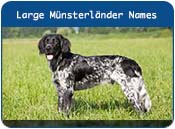
The Large Münsterländer, or Grosser Münsterländer, is a handsome black-and-white pointing breed f...

New Orleans dog names can carry a little of the city's music, river scenery, celebration and laye...

Browse Serbian dog names through compact calls, familiar personal names, longer forms, and wider...

A small dog name can echo size, ignore it or deliberately exaggerate it. The editor groups separa...

Tough tiny dog names are designed for small dogs with enormous hearts and fearless attitudes. The...
Related Articles
Large Gray Dog Names: 60 Silver, Stormy, and Monumental Ideas
2026-09-03Explore 60 large gray dog names through metal and pigment shades, weather layers, stone and mountain scale, gray wildlife, dignified human calls, and soft contrast. Each entry identifies a visible or practical connection, while the workshop separates gray from blue or silver language, records undertone and finish, avoids breed and temperament guesses, plans nicknames, and tests calls in context.
Large Brown Dog Names: 60 Warm, Earthy, and Big-Hearted Ideas
2026-09-03Find 60 large brown dog names across wood and pigments, canyons and forests, cocoa and bakery colors, substantial wildlife, full human names, and playful counterweights. Every option includes a concrete color, scale, sound, or use note, while the guide builds a shade–scale–story brief, separates food imagery from feeding, anticipates adult size, and tests real-world calls.
Large White Dog Names: 60 Snowy, Grand, and Gentle-Contrast Ideas
2026-09-03Explore 60 large white dog names through pale materials, winter landscapes, cloud and sky imagery, monumental landmarks, dignified human calls, and soft comic contrast. Each entry explains its shade, scale, sound, or household fit, while the guide reads coat texture honestly, avoids breed and genetic guesses, plans adult nicknames, and tests the choice in daily life.
Large Black Dog Names: 60 Grand, Dark-Coat, and Gentle-Contrast Calls
2026-09-02Find 60 large black dog names through scale and landscape, dark materials, storm and sky, wildlife silhouettes, dignified human calls, and soft comic contrast. Every idea explains its visual or practical fit, while the guide builds a three-line portrait, checks coat color in usable light, rejects size and color stereotypes, plans for growth and nicknames, and tests the call honestly.
Hard Consonant Dog Names: 60 Crisp Calls with Honest Sound Tests
2026-09-02Browse 60 hard consonant dog names across K, hard C, T, P, B, D, G, J, CH, clusters, and crisp closures. Each choice includes a concrete articulation or daily-use note, while the guide defines the search label carefully, separates human listening tests from canine-hearing claims, checks cue collisions and spelling, and builds the final response through positive association.
Small Brown Dog Names: 60 Compact, Warm, and Playfully Oversized Ideas
2026-09-02Explore 60 small brown dog names through tiny objects, brown shades, wood and earth, pantry-color metaphors, familiar human calls, and oversized contrast. Every entry explains its scale, color, sound, or story, while the guide builds a daylight swatch, avoids breed and genetic guesses, keeps food imagery safe, plans for growth, and tests real household use.