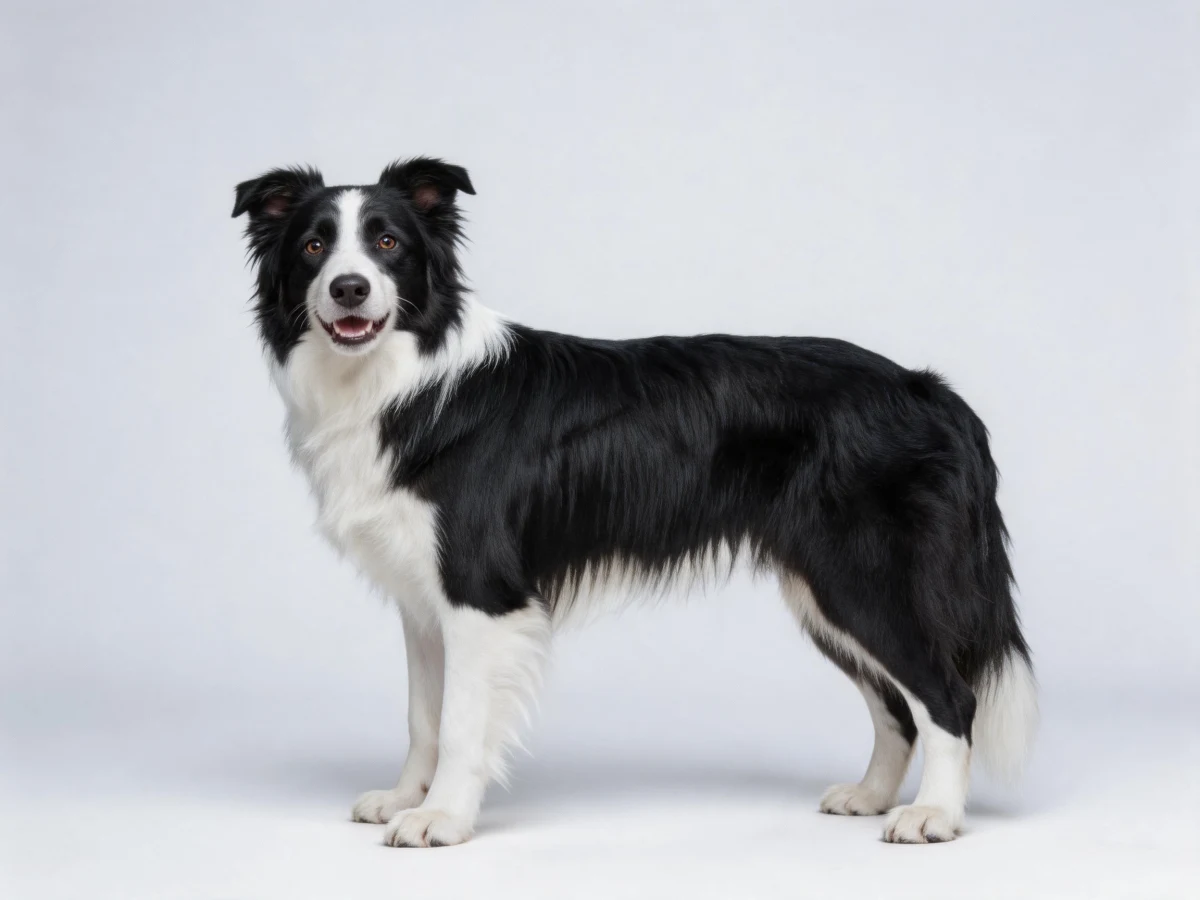
Old Welsh Grey Sheepdog
✨ Key Takeaways
- The Old Welsh Grey Sheepdog was a native Welsh working sheepdog type, now generally treated as extinct or absorbed.
- It should be described through hill-farm work and Welsh sheepdog history, not as a modern puppy breed.
- The name Welsh Grey is important but broad enough to require careful context.
- Comparisons with Bearded Collie and Old English Sheepdog are useful but should not erase the Welsh identity.
- Health and temperament claims need source-limited wording because no living registry survives.
- Names should draw on Welsh hills, grey coats, loose-eyed work, droving and old farm vocabulary.
Quick Facts
Common Names & Variants
Modern aliases
Historical names
Modern variants & lines
⚖️ Pros & Cons
Advantages
Trade-offs
Physical Appearance
Recognized colors
Coat
Other
Ears: Drop or semi-prick. Tail: Long natural tail.
🕰 History
A native sheepdog before tidy breed borders
The Old Welsh Grey Sheepdog was a Welsh farm dog remembered for sheep work rather than for a preserved kennel-club standard. Sources describe a shaggy grey working dog, often compared with other British herding breeds but rooted in Welsh hill country.
That makes it a landrace-style history page: the dog existed in work and memory before it existed, if ever, as a neat registry category.
Hill work and voice
Accounts describe a loose-eyed style and a noisy working manner, different from the intense silent eye associated with many modern Border Collies. That detail is important because it points to a real handling tradition rather than generic "smart herding dog" language.
In rough Welsh terrain, a dog had to move sheep over distance, read hills and work with shepherds whose needs were practical before they were cosmetic.
Decline and possible traces
The Old Welsh Grey declined as Border Collies and other standardized sheepdogs became dominant. Some references place remnants or similar dogs in Wales into the late 20th century, but not as a stable modern breed.
There are also discussions of possible influence on the Patagonian Sheepdog through Welsh migration, which should be framed as a historical possibility rather than a proven simple pedigree.
Why the page matters
This page helps separate Welsh working-dog history from the better-known Bearded Collie, Old English Sheepdog and Border Collie narratives.
It also gives name lists a grounded purpose: preserving landscape, work and language around a lost farm dog.
Temperament & Personality
Working behaviour from hill sheepdog evidence
The safest behavioural points are stock sense, stamina, weather tolerance, willingness to work at distance and a vocal or loose-eyed style in some accounts.
Those clues should not be stretched into a modern pet temperament. No surviving population lets us test sociability, noise level, child tolerance or apartment suitability.
Evidence boundary
For Old Welsh Grey Sheepdog, temperament has to be inferred from documented work, physical type and period context. It cannot be turned into a modern promise about family life, trainability, children, guarding, apartment suitability or other pet-profile claims.
The most useful comparison is with living breeds that share a job or body plan, especially Welsh Sheepdog, Bearded Collie and Old English Sheepdog. Those living breeds still need their own current standards, health data and welfare expectations.
🏡 Living With a Old Welsh Grey Sheepdog
A Welsh farm history page, not a rarity listing
Modern Welsh Sheepdogs and Border Collies need real stock-dog understanding, mental work and careful management. They are not Old Welsh Greys, even when they carry grey or merle coats.
Readers can use this page to understand absorbed regional sheepdogs and why old farm names matter.
How a modern reader should use this page
Old Welsh Grey Sheepdog is handled here as a historical encyclopedia subject. It is not a normal breed-shopping category, and any modern dog marketed under the same name needs transparent records before the label means anything.
The page is most useful as a bridge into source history, naming language and related living breeds, not as an ownership checklist for a lost population.
🎓 Training & Exercise
Loose-eyed work and modern comparison
The training lesson is that herding styles differ. A noisy loose-eyed hill dog is not the same tool as a silent close-eyed trial dog.
For living stock dogs, training should come from experienced handlers and the dog in front of them, not from nostalgia for a lost Welsh type.
Training language to avoid
Do not describe a modern training plan as if it were preserved for Old Welsh Grey Sheepdog. Historical work explains what people wanted from the dog, but it does not prove a living temperament or a recoverable method.
Names can honour work, place and language without inventing ability.
✂️ Grooming & Coat Care
Shaggy coat as work evidence
A long shaggy coat suggests weather protection and burr collection in living analogues, but there is no Old Welsh Grey grooming standard.
Names based on grey weather, Welsh hills, wool, droving and old farm tasks are more reliable than unsupported show-coat details.
Appearance as a naming clue
Coat, ears, outline, terrain and tools can inspire names, but appearance alone cannot prove that a modern dog belongs to the historical Old Welsh Grey Sheepdog population.
That guardrail keeps the page useful without sliding into rarity marketing.
🍖 Diet & Nutrition
Historical feeding is context
A Old Welsh Grey Sheepdog would have been fed inside the economy of its own place and time: hunt kennel, island household, sheep farm, show kennel or estate pack.
That context can be described when sources support it, but it should not become a modern diet plan.
Current dogs need current evidence
Do not assign calorie ranges, supplement routines, puppy growth charts or breed-specific food sensitivities to this historical page.
A living dog compared with Old Welsh Grey Sheepdog should be fed according to its actual breed, body condition, workload, age and veterinarian.
🐶 Buying & Adopting a Old Welsh Grey Sheepdog
No modern availability claim
There is no ordinary verified continuous Old Welsh Grey Sheepdog population available as a modern breed.
If a seller or rescue profile uses the name, ask what dogs are actually behind the label, what records exist and whether the word is being used as inspiration rather than identity.
Choose a living breed honestly
Readers who like the history should compare living breeds by real welfare needs: Welsh Sheepdog, Bearded Collie and Old English Sheepdog.
Historical interest is valuable, but it should not be converted into a buying claim.
Do not confuse memory with availability
A grey, shaggy Welsh working dog today may be a Welsh Sheepdog type, a Border Collie relative, a Bearded Collie, a farm cross or something else entirely. It should not be marketed as an Old Welsh Grey Sheepdog unless there is extraordinary documentation.
Readers who like this history should look for living herding dogs through welfare-focused rescues or responsible working-breed channels, then choose for training needs and daily life rather than for a vanished name.
📜 Breed Name Etymology — iDogNames original research
How the historical name works
Old Welsh Grey Sheepdog names should sound like hill weather and farm work: Welsh valleys, grey coats, loose-eyed gathering, sheep tracks, wool barns and the memory of a local working dog.
What the name should not imply
These names are for interpretation and naming inspiration. They should not imply that a modern dog is literally the extinct or historical population, and they should not be used to dress up a modern listing as a rare-breed claim.
What "grey" does in the name
The grey in the name is useful because it points to remembered appearance, not because it creates a modern color standard. Names can use ash, slate, mist and hill-weather imagery without claiming that every historical dog looked identical.
Name forms at a glance
| Name | Role | Origin | Literal meaning | First recorded |
|---|---|---|---|---|
| Old Welsh Grey Sheepdog | primary | English | historical grey sheepdog from Wales | — |
| Welsh Grey | alias | English | grey working dog associated with Wales | — |
| Welsh Grey Sheepdog | alias | English | Welsh grey sheep-working dog | — |
| Old Welsh Grey | historical | English | older form of the Welsh Grey name | — |
| Ci Defaid context | origin country native | Welsh | sheep dog | — |
🏛 Naming Traditions — iDogNames original research
Welsh hill, grey coat and shepherd names
Old Welsh Grey Sheepdog names should sound like hill weather and farm work: Welsh valleys, grey coats, loose-eyed gathering, sheep tracks, wool barns and the memory of a local working dog.
Name-list guardrail
Each name below has a reason attached so the list is useful rather than filler or search bait. The strongest choices point to place, work, language, body type, source evidence or legacy.
🐾 Themed Names for Your Old Welsh Grey Sheepdog — iDogNames original research
Welsh place names
- Towy - upper Towy valley reference
- Cymru - Welsh name for Wales
- Eryri - Snowdonia/Welsh mountain mood
- Brecon - hill-country name
- Dyfi - Welsh river name
- Teifi - river and farm-country cue
- Ceredig - Ceredigion-rooted place feel
- Glyndwr - Welsh historical name used respectfully
Grey coat names
- Ash - soft grey coat image
- Slate - Welsh slate landscape
- Mist - hill-weather colour
- Bluegrey - plain colour cue
- Drizzle - weather and coat mood
- Silver - lighter grey tone
- Storm - dark working coat
- Cloud - shaggy pale-grey image
Sheepdog work names
- Gather - bringing sheep together
- Drive - moving flock forward
- Hill - core terrain
- Whistle - shepherd signal
- Crook - shepherd tool
- Wool - flock context
- Gate - farm control point
- Fold - sheep enclosure
Legacy names
- Old Grey - direct historical nickname feel
- Bard - Welsh literary mood
- Drover - stock-road role
- Patagonia - Welsh migration discussion, used carefully
- Beardie - comparison to Bearded Collie
- Bobtail - comparison to Old English Sheepdog
- Archive - source survival
- Echo - absorbed breed memory
Welsh hill-farm names
- Cwm - a Welsh valley word, good for a dog with a low, steady working style
- Bryn - means hill and works well as a short herding-dog call name
- Ffridd - upland pasture vocabulary for a sheep country name with real texture
- Garth - hill or enclosure mood, suitable for a calm farm guardian presence
- Dyffryn - valley name for a dog tied to Welsh landscape rather than show polish
- Cader - mountain-name energy for a dog with stamina and seriousness
- Hafod - summer farmstead term, gentle and place-specific
- Llwyn - grove or bush feel, good for a shaggy grey dog
Grey weather and coat names
- Mizzle - fine Welsh rain, ideal for a soft grey coat and quiet personality
- Slatebarn - ties coat color to farm buildings and Welsh slate country
- Ashvale - for a pale grey dog with a valley-linked name
- Mistgate - works for a dog that appears silently at the field entrance
- Cloudfell - a hill-weather name for a shaggy, high-country look
- Dovegrey - gentler than Storm and good for a mild household dog
- Raintrack - for a sheepdog-inspired dog who follows every movement
- Woolsmoke - combines sheep work, grey color and hearth-country mood
Working sheepdog names
- Gather - best for a dog who naturally brings people, toys or animals together
- Widecast - for a dog with a broad, sweeping movement pattern
- Gatewise - farm-smart name for a dog that understands routines
- Penwork - points to practical sheep handling rather than romantic scenery
- Whistle - classic herding communication, good for a responsive dog
- Hillcall - for a vocal or attentive dog with upland associations
- Crook - shepherd-tool name with a crisp one-syllable call
- Laneway - fits a dog who works between field, yard and road
📋 Breed Standard at a Glance
No modern kennel standard
Old Welsh Grey Sheepdog has no living AKC or FCI standard in the ordinary sense used for extant breeds.
A useful summary is therefore historical: an extinct or absorbed Welsh working sheepdog type, remembered as a shaggy grey native dog rather than a registered modern breed.
What should remain uncertain
Exact height, weight, fault lists, average lifespan, purchase ranges and breeder rules should stay blank unless a source states them clearly.
The page can still be detailed by focusing on work, origin, legacy, source quality and careful naming.
🏆 Recognition
Other registries
❓ Frequently Asked Questions
Is the Old Welsh Grey Sheepdog extinct?
It is generally treated as extinct or absorbed into later sheepdog populations, not as a living registered breed.
Where was it from?
It was a native Welsh sheepdog type, with references especially tied to Welsh hill-farm work.
How did it work sheep?
Sources describe a loose-eyed, sometimes noisy working style rather than the silent close-eye style many readers associate with Border Collies.
Is it the same as a Welsh Sheepdog?
No. The Welsh Sheepdog is a living working breed or type; the Old Welsh Grey is a historical Welsh sheepdog identity.
Do we know its health issues?
No living health registry exists, so modern disease rates and lifespan should not be invented.
What names fit an Old Welsh Grey Sheepdog?
Welsh place names, grey-weather names, sheepdog work terms and absorbed-breed legacy names fit best.
📚 Sources & Further Reading
Every load-bearing factual claim on this page is anchored to one of the sources below. iDogNames does not synthesize from secondary aggregators.
- wikipedia Old Welsh Grey Sheepdog — Wikipedia
- other The Old Welsh Grey: A Beardie Ancestor? — National Purebred Dog Day (2017)
- other Extinct Border Collie Cousins — Border Collie Museum
- wikipedia List of extinct dog breeds — Wikipedia
- book Dogs: The Ultimate Dictionary of over 1,000 Dog Breeds — Trafalgar Square Publishing (2001)
- book The Atlas of Dog Breeds of the World — TFH Publications (1995)
- book Archive.org historical dog-book collections — Archive.org
- veterinary org Merck Veterinary Manual dog owner library — Merck Veterinary Manual (2026)
- other iDogNames extinct-breed editorial standard — iDogNames editorial research (2026)